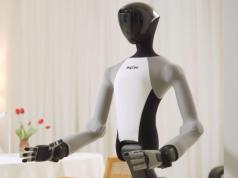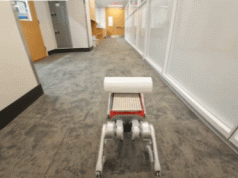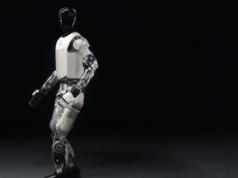













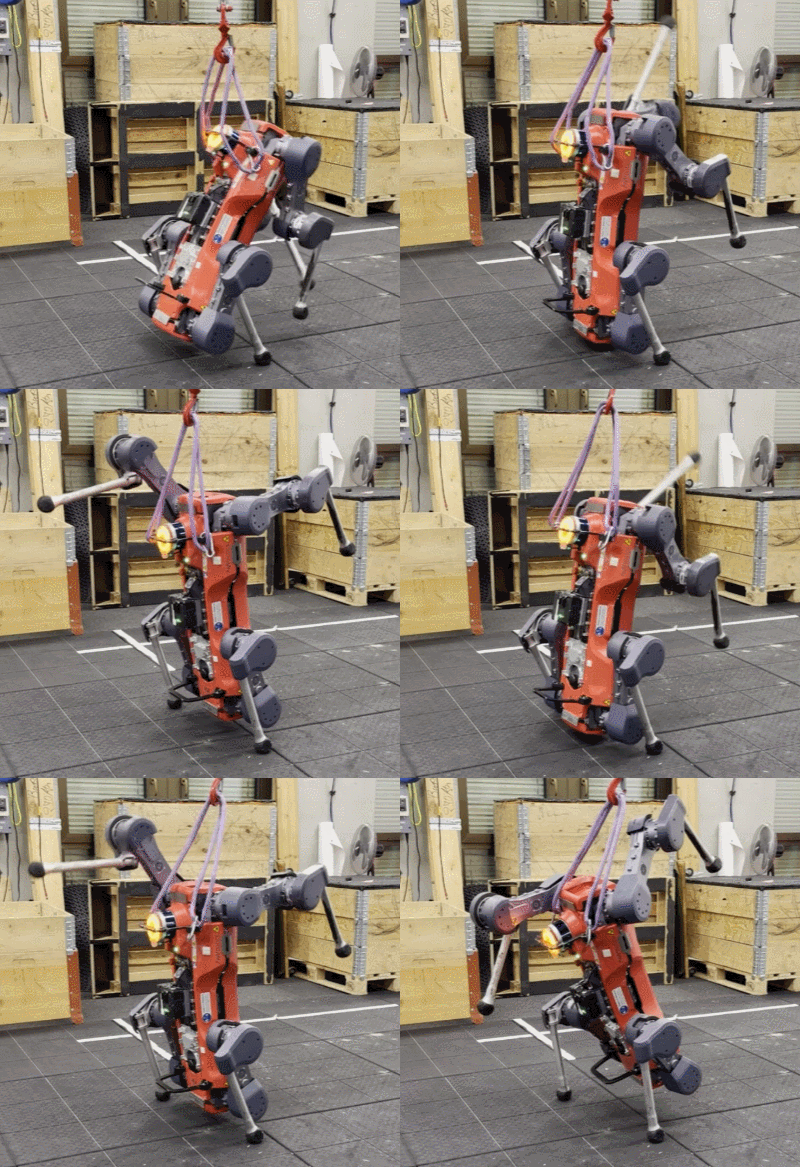
Those of you who have trained legged robots in simulation have probably noticed that they could fail in the real world due to various factors, including poorly modeled actuator dynamics and energy inefficiency. PACE is a framework that “integrates sim-to-real reinforcement learning with a physics-grounded energy model for permanent magnet synchronous motors. The framework requires a minimal parameter set to capture the simulation–reality gap and employs a compact four-term reward with a first-principle-based energetic loss formulation that balances electrical and mechanical dissipation.”

This approach was tested on 3 platforms and across 13 different legged robots. This video from Robotic Systems Lab shows how this approach can be used to create athletic robots.
[HT]